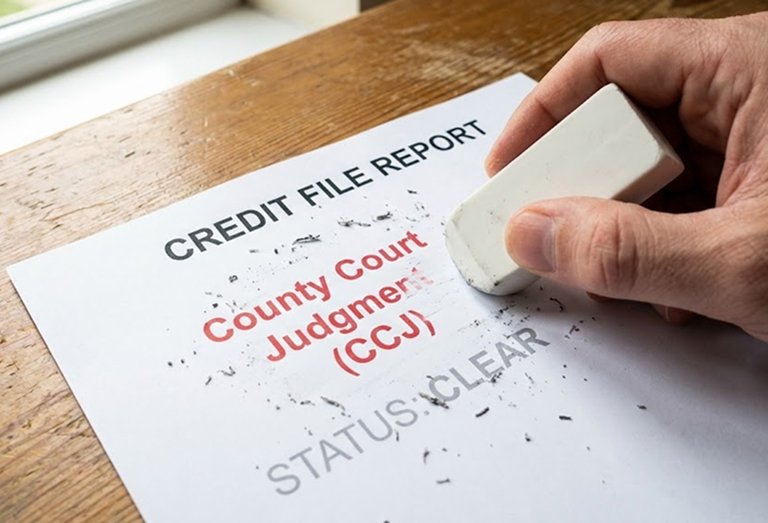
A County Court Judgment (CCJ) can have a serious impact on your finances, making it harder to access credit, rent a property, or even pass certain employment checks. If you’ve discovered a CCJ on your credit file, it’s natural to want to know whether it can be removed — and what steps you can take to improve your situation.
The good news is that there are ways to remove a CCJ or reduce its impact, depending on your circumstances. Understanding your options can help you take control and move forward with confidence.
What Is a CCJ?
A County Court Judgment (CCJ) is issued when a creditor takes court action to recover money you owe and you either don’t respond or fail to repay the debt as ordered.
Once issued, a CCJ is registered on your credit file and remains there for six years unless it is paid in full within a specific timeframe or successfully challenged.
CCJs can affect your ability to:
- Get credit or a loan
- Rent a property
- Pass certain employment checks
- Access better interest rates
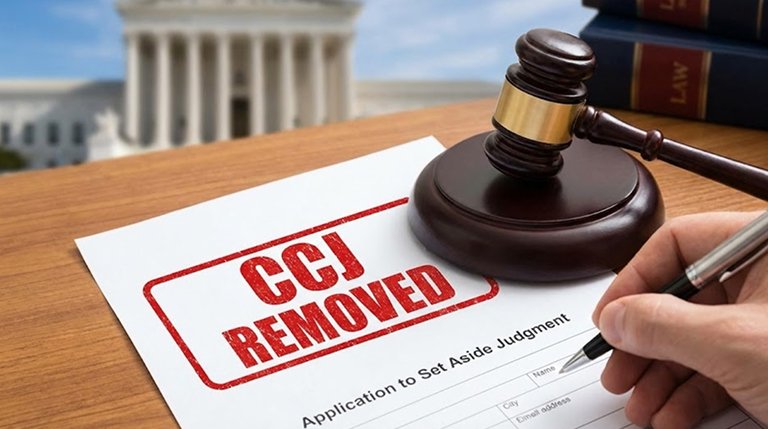
How Can a CCJ Be Removed?
There are only a few legitimate ways to remove a CCJ from your credit file. Which option applies depends on your circumstances.
1. Paying the CCJ Within One Month
If you pay the full amount of the CCJ within one calendar month of the judgment date, you can apply to have it completely removed from your credit file.
This is known as a set aside by satisfaction and means the CCJ will not appear on your credit record at all.
To do this, you must:
- Pay the full amount owed
- Obtain proof of payment
- Apply to the court to have the record removed
If successful, it will be as though the CCJ never existed on your credit file.
2. Applying to Have the CCJ Set Aside
In some cases, you can apply to have a CCJ set aside, which means the court cancels it completely. This is usually possible if:
- You did not receive the original court papers
- You were unable to respond through no fault of your own
- You believe the judgment was made in error
- You have a valid defence to the claim
If the court agrees, the CCJ is removed from your credit file, and the case may be reopened or dismissed altogether.
It’s important to act quickly when applying to set aside a CCJ, as delays can reduce your chances of success.
3. Paying the CCJ After One Month
If you pay the CCJ after the one-month deadline, it cannot be removed from your credit file, but it can be marked as satisfied.
A satisfied CCJ still appears on your credit report for the full six years, but it shows lenders that the debt has been paid in full. This can improve how lenders view your application compared to an unpaid CCJ.
How Long Does a CCJ Stay on Your Credit File?
A CCJ remains on your credit file for six years from the date it was issued, regardless of whether it has been paid.
After six years, it will automatically be removed, provided no further court action has been taken.
During those six years, its impact on your credit score gradually reduces, especially if you manage your finances well and avoid further missed payments.
What If You Can’t Pay the CCJ in Full?
If you’re unable to pay the CCJ outright, there are still options available:
1. Apply to Pay in Instalments
You can ask the court to allow you to pay the debt in manageable monthly amounts based on your income and essential expenses.
2. Apply to Vary the Order
If your financial situation changes, you can ask the court to review and adjust the payment terms.
3. Consider a Formal Debt Solution
In some cases, a formal solution such as an Individual Voluntary Arrangement (IVA) or, in more serious circumstances, bankruptcy may be appropriate. These options can stop further enforcement and bring debts together into a single manageable plan.
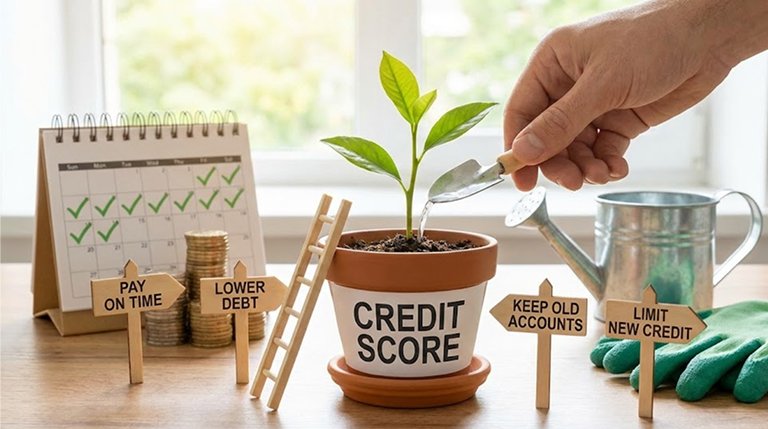
Can You Still Improve Your Credit With a CCJ?
Yes, even with a CCJ on your record, you can take steps to rebuild your credit over time:
- Pay all other bills on time
- Avoid missed payments or defaults
- Keep balances low on any credit you use
- Register on the electoral roll
- Avoid applying for unnecessary credit
As time passes and positive information builds up, the impact of a CCJ reduces.
When Should You Get Advice?
If you’re unsure how to deal with a CCJ, or you’re struggling to manage your finances, it’s important to get advice early. Understanding your rights and options can help you avoid further action and make informed decisions.
Professional debt advice can help you:
- Decide whether to apply to set aside or vary a CCJ
- Explore alternative solutions if repayment isn’t manageable
- Create a realistic plan to move forward
A CCJ can feel overwhelming, but it doesn’t have to define your financial future. Whether you’re able to have it removed, marked as satisfied, or simply manage it more effectively, there are steps you can take to regain control.
With the right support and a clear plan, it’s possible to move forward, rebuild your credit, and regain confidence in your financial future.
If you’d like help understanding your options or want to explore the best way forward, My Debt Plan is here to help guide you every step of the way.