


Call free today
Water is an essential service, and unlike other utilities, the rules around water bill debt are different. If you’ve fallen behind on your payments or are worried about water arrears building up, it’s important to understand your rights and what your supplier can and cannot do.
Water bill debt is treated as a priority debt because it relates to basic living needs. However, the legal position around enforcement is not the same as gas or electricity.
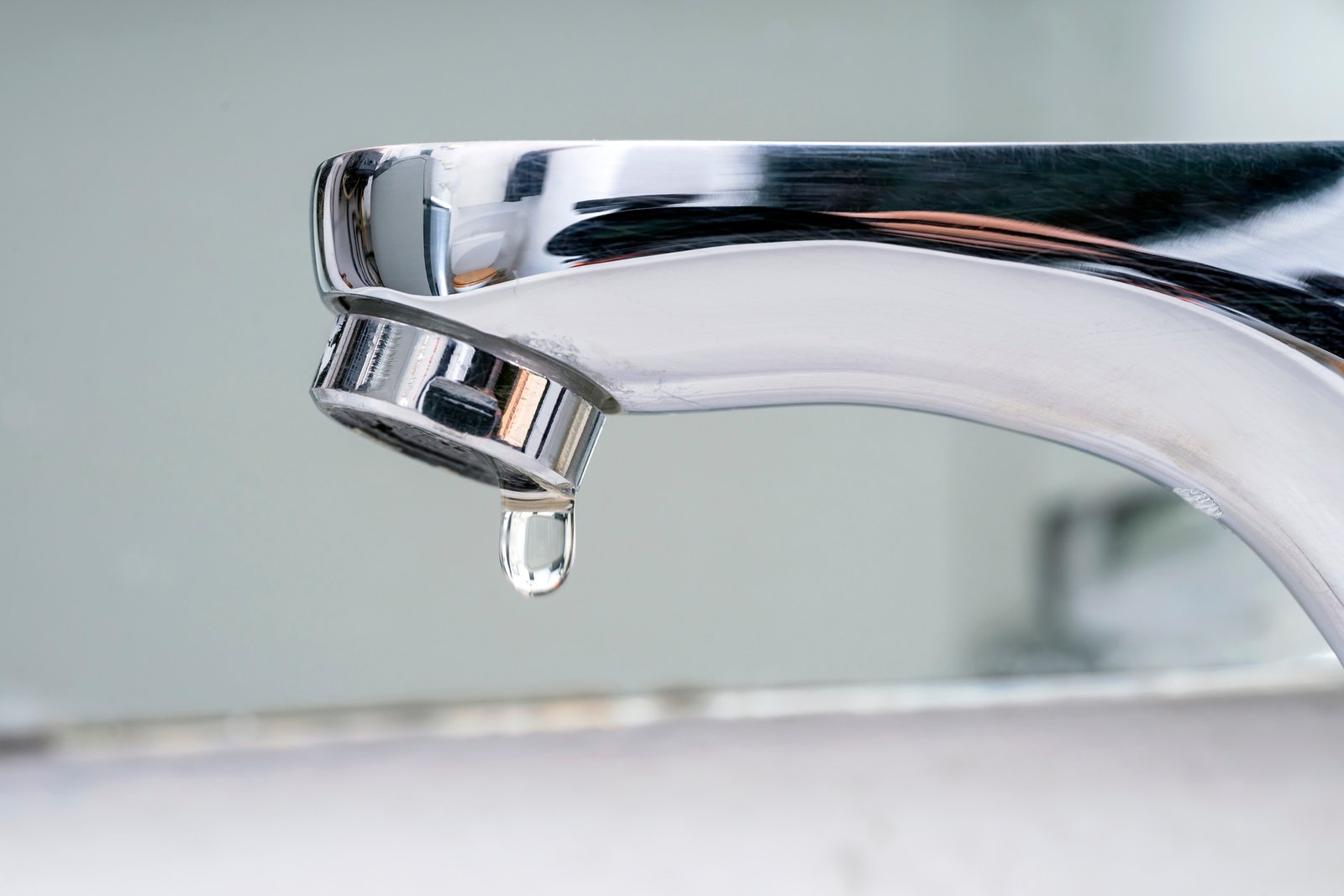
If you miss a water bill payment, the process usually begins with reminder letters and attempts to contact you.
Your water supplier will normally:
If the debt remains unpaid, the supplier may:
Unlike some other utilities, water companies cannot install prepayment meters for debt. Instead, unresolved water arrears are often dealt with through the court system.
The key is not to ignore correspondence. Early contact makes it much easier to agree a manageable repayment plan.
For domestic customers in England and Wales, water companies are not allowed to disconnect your water supply for unpaid household bills.
This is an important difference between water debt and gas or electricity arrears.
A water supplier cannot:
Water is considered essential for health and hygiene, and legislation prevents disconnection for domestic customers.
However, although you cannot be cut off, the debt does not disappear. Suppliers can still pursue recovery through other legal means, such as court action.
If your water bill debt continues unpaid and you do not respond, suppliers may escalate recovery steps.
These can include:
If a CCJ is granted and not paid, further action could include:
While water companies cannot disconnect you, they do have the right to pursue debt through the courts if necessary.
The earlier you engage with them, the more flexible the outcome is likely to be.
Water debt often builds more slowly than gas or electricity debt because charges are typically fixed or predictable.
Common reasons for water arrears include:
Some households on water meters may experience higher bills during periods of increased usage, such as school holidays or when more people are living at home.
Unlike energy bills, water costs do not fluctuate seasonally in the same way, but affordability issues can still arise if overall financial pressure increases.
Yes, many water suppliers offer support schemes for customers struggling with water arrears.
You may be eligible for:
Each water company runs its own support schemes, so eligibility varies.
If you receive certain benefits or have medical conditions requiring higher water use, you may qualify for additional assistance.
Applying for help early can significantly reduce the pressure of water bill debt.
Clearing water debt usually involves setting up an affordable repayment plan.
Options may include:
Before agreeing to any repayment plan, make sure:
If you are struggling with multiple debts, it may be safer to review your entire financial position rather than managing water debt in isolation.
Yes, water arrears are considered a priority debt because they relate to essential living needs.
Priority debts typically include:
Although water companies cannot disconnect domestic supply, unpaid water debt can still lead to court action and enforcement.
This is why it should not be ignored.
Water arrears often occur alongside other financial pressures such as:
When several priority debts exist at once, it can feel overwhelming.
In these situations, it may help to:
A Debt Management Plan or IVA may be appropriate if you have wider unsecured debt issues in addition to water arrears.
Once your water bill debt is under control, taking preventative steps can reduce the risk of repeat arrears.
You can:
Water bills may seem predictable, but affordability changes can still create problems over time.
Being proactive is the best protection against future water debt.
If you’re struggling with water bill debt or worried about water arrears building up, don’t ignore the situation. While your supply cannot be disconnected, court action and enforcement are still possible if debt remains unpaid.
My Debt Plan offers clear, impartial advice to help you understand your options and protect essential services.
You can get debt help online or speak to our friendly team for a confidential, no-obligation conversation. Call us today on 0161 464 0870 and start taking back control of your finances.
Tell us about your current debts and one of our experienced and friendly advisors can help you get the ball rolling.
Dependant on your circumstances and financial situation, we'll let you know if an IVA is a potential solution for you.
If you qualify for an IVA, we will take the necessary steps to set up and arrange this for you.

An Individual Voluntary Arrangement (IVA) is a formal agreement with creditors to repay a portion of your debts over time, but it does have an impact on your credit score and it will be difficult to obtain further credit whilst on an IVA. Once an IVA is approved, it is recorded on your credit report and will typically remain there for six years from the date it starts.
However, it’s important to note this is the case for most debt solutions and your credit score will likely already have been affected by being in debt in the first place.
Once your IVA is complete you will get a fresh start to begin rebuilding your credit rating.
IVA costs are charged for the preparation of your proposal and the administration of the arrangement for the full term (usually 5 years) these costs are charged from the monthly contributions you make into the IVA and are not in addition. Costs will only be recovered on approval of your arrangement and once you commence making payments to it. The fees for preparation of the proposal to creditors and calling the meeting for creditors to vote on its approval are called nominees fees, the fees for running the arrangement once approved are called supervisors fees. There are also some expenses incurred in the running of the arrangement such as the registration fee and the statutory insurance that needs to be taken by law, these are called disbursements. For our arrangements, the total of all of these is £3,650 although this may be adjusted by creditors when they vote on whether to accept. No matter what the end total of costs come to, you can be rest assured that these will be taken from the monthly payment we agree with you.