


Call free today
An overdraft can feel like a safety net when money is tight. But if you’re regularly dipping into it or constantly living in your overdraft it can quickly turn into long-term overdraft debt. Many people don’t realise how expensive repeat overdraft use can become, especially with daily interest charges and fees.
If you’re struggling to clear your overdraft or finding that your balance never returns to zero, you’re not alone. Below we offer our guidance on your next steps.
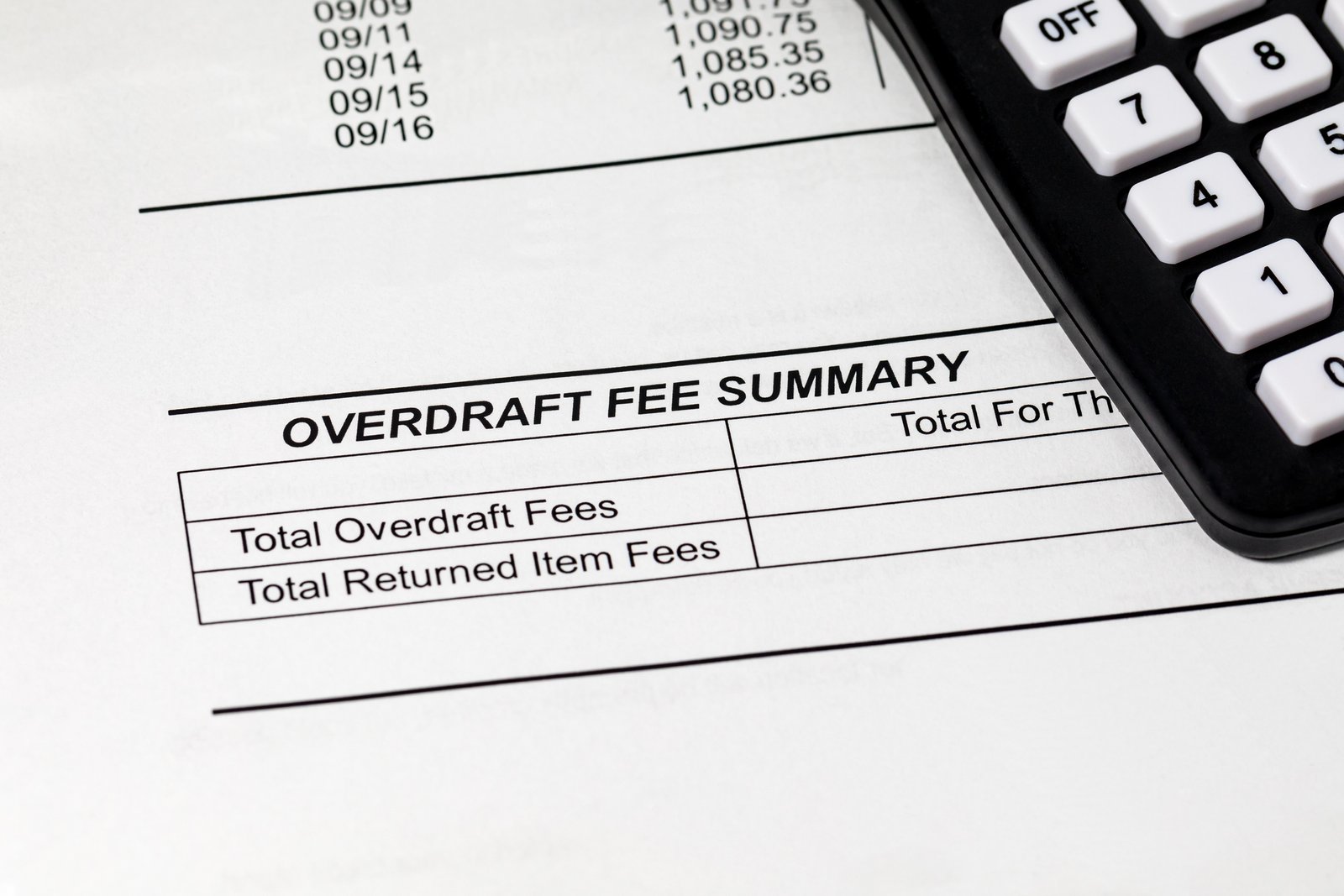
An overdraft is a borrowing facility linked to your current account. It allows you to spend more money than you have available, up to an agreed limit.
There are two main types:
With most overdrafts:
Because overdrafts are flexible, they can feel less serious than loans. However, they are still a form of credit and can become expensive if used long-term.
If your income goes straight towards covering the overdraft each month, it can feel like you’re never moving forward financially.
Repeat overdraft use means you regularly:
Banks may monitor accounts for persistent overdraft usage. If they consider the borrowing unsustainable, they could:
If your overdraft is suddenly withdrawn, you may be required to repay the outstanding balance quickly, which can create additional financial pressure.
Persistent overdraft use is often a sign that your income and outgoings are out of balance.
Reducing overdraft debt starts with understanding why you rely on it.
You can begin by:
Other practical steps include:
Even small changes can help you gradually reduce how often you dip into your overdraft.
The goal is to create breathing space so your account can return to a positive balance.
Clearing overdraft debt can feel difficult, especially if your income is limited. However, there are structured ways to approach it.
Step 1: Stop the Balance Growing
Try to:
Step 2: Build a Repayment Plan
You might:
Step 3: Speak to Your Bank
Your bank may be able to:
If the overdraft is unaffordable alongside other debts, you may need broader financial support.
Yes. While arranged overdrafts are a form of credit, persistent overdraft use can impact your credit profile.
Your credit file may show:
If your bank withdraws your overdraft and you fail to repay, this can seriously damage your credit record for up to six years.
Managing overdraft debt early helps reduce the risk of long-term credit impact.
Overdraft debt is usually considered a non-priority debt. However, it can quickly become urgent if:
Unlike rent or council tax, overdraft debt doesn’t carry immediate enforcement powers. But ignoring it can lead to default and court action.
When reviewing your finances, priority debts such as housing and utilities should normally come first.
Overdraft debt often sits alongside:
If you are juggling multiple debts and using your overdraft to cover shortfalls, this may indicate a wider financial issue.
In these cases, you may benefit from:
Treating overdraft debt in isolation may not solve the underlying problem.
If you’re stuck in repeat overdraft use or struggling with overdraft debt alongside other financial pressures, you don’t have to manage it alone.
My Debt Plan offers clear, impartial advice to help you understand your options and take back control of your finances.
You can get debt help online or speak to our friendly team for a confidential, no-obligation conversation. Call us today on 0161 464 0870 and start moving toward a more stable financial future.
Tell us about your current debts and one of our experienced and friendly advisors can help you get the ball rolling.
Dependant on your circumstances and financial situation, we'll let you know if an IVA is a potential solution for you.
If you qualify for an IVA, we will take the necessary steps to set up and arrange this for you.

An Individual Voluntary Arrangement (IVA) is a formal agreement with creditors to repay a portion of your debts over time, but it does have an impact on your credit score and it will be difficult to obtain further credit whilst on an IVA. Once an IVA is approved, it is recorded on your credit report and will typically remain there for six years from the date it starts.
However, it’s important to note this is the case for most debt solutions and your credit score will likely already have been affected by being in debt in the first place.
Once your IVA is complete you will get a fresh start to begin rebuilding your credit rating.
IVA costs are charged for the preparation of your proposal and the administration of the arrangement for the full term (usually 5 years) these costs are charged from the monthly contributions you make into the IVA and are not in addition. Costs will only be recovered on approval of your arrangement and once you commence making payments to it. The fees for preparation of the proposal to creditors and calling the meeting for creditors to vote on its approval are called nominees fees, the fees for running the arrangement once approved are called supervisors fees. There are also some expenses incurred in the running of the arrangement such as the registration fee and the statutory insurance that needs to be taken by law, these are called disbursements. For our arrangements, the total of all of these is £3,650 although this may be adjusted by creditors when they vote on whether to accept. No matter what the end total of costs come to, you can be rest assured that these will be taken from the monthly payment we agree with you.