


Call free today
Falling behind on your electricity bill can feel stressful, especially when energy prices are high and household budgets are stretched. Electricity is an essential service, so electricity bill arrears are treated as a priority debt. If you’ve missed a payment or are worried about electricity debt building up, you’re not alone. Many households experience utility arrears due to rising costs, reduced income, or unexpected expenses. The key is acting early.
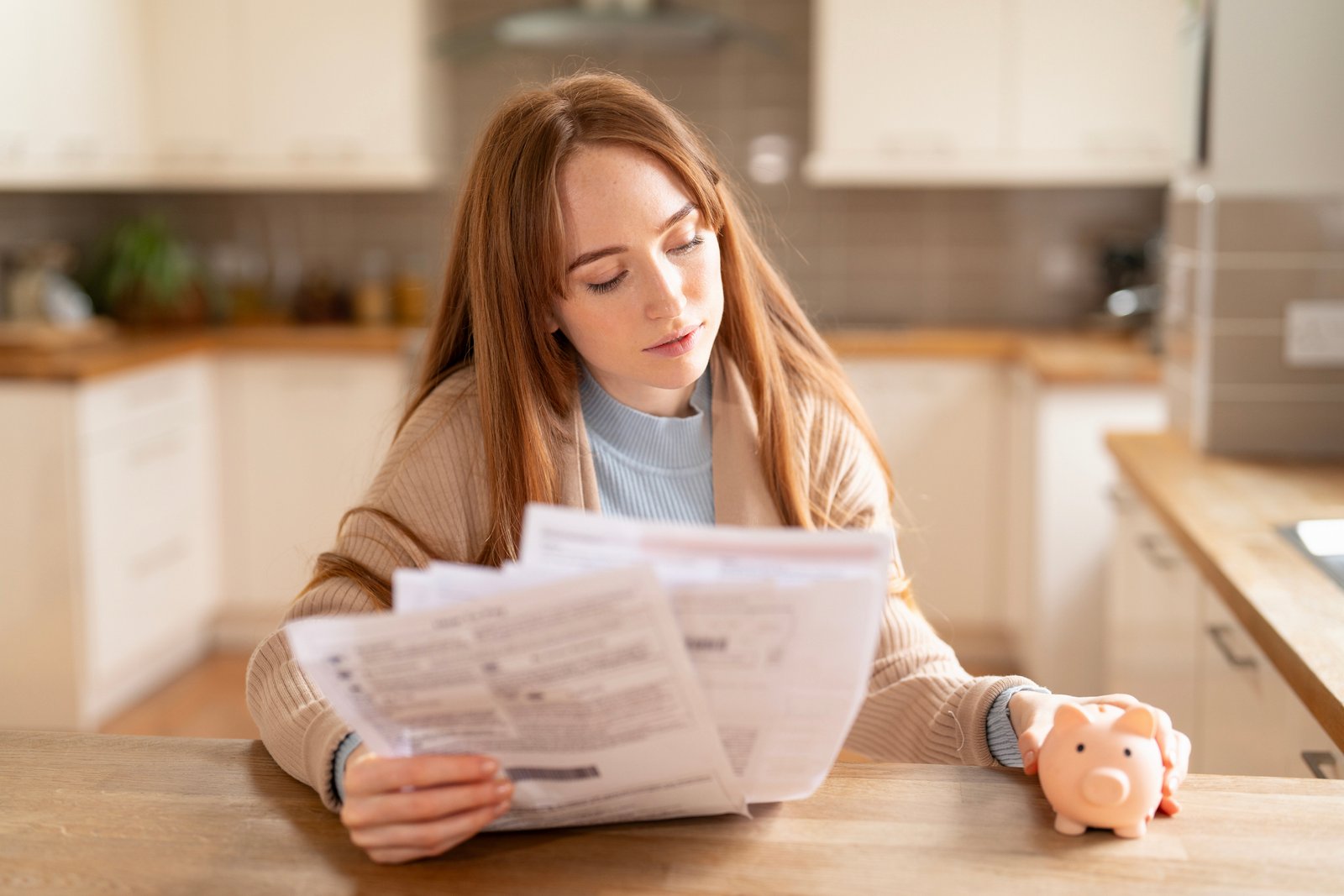
Missing one electricity bill payment doesn’t usually mean immediate disconnection, but it does start a process.
Typically, your supplier will:
If payments continue to be missed, the supplier may:
Disconnection is rare and heavily regulated, especially for vulnerable customers, but electricity arrears can escalate if ignored.
The earlier you contact your supplier, the more flexible they are likely to be. Energy providers are required to work with customers experiencing financial difficulty.
Electricity arrears often build up gradually rather than all at once.
Common causes include:
Sometimes people only realise they’re in electricity debt when they receive a large catch-up bill.
If your electricity arrears are part of a wider financial issue involving credit cards, loans, or council tax, it may help to review your entire budget rather than tackling one bill in isolation.
If you genuinely cannot afford your electricity bill right now, don’t ignore it. There are steps you can take immediately.
Start by:
You may also qualify for:
If your income is very low or you’re receiving benefits, additional support may be available.
The most important thing is communication. Electricity suppliers are expected to treat customers fairly and consider affordability when setting repayment plans.
Paying off electricity arrears usually involves agreeing to spread the debt over time rather than paying it all at once.
Common repayment options include:
Before agreeing to any plan, make sure:
If electricity debt is part of larger financial pressure, a structured debt solution such as a Debt Management Plan or IVA may help you manage everything together.
Reducing your electricity usage can help prevent further arrears building up.
Practical ways to cut electricity costs include:
You should also:
Even small savings each month can make a difference when trying to manage electricity arrears.
Disconnection for electricity debt is rare and tightly regulated, especially for vulnerable households.
Suppliers must follow strict rules before disconnecting, and they cannot disconnect:
In most cases, suppliers prefer to install a prepayment meter rather than disconnect supply.
If you are worried about disconnection, seek advice immediately. Acting early can prevent the situation reaching that stage.
Yes, electricity arrears are considered a priority debt because they relate to essential services.
Priority debts usually include:
These debts should normally be dealt with before non-priority debts like credit cards or catalogues.
If you are juggling multiple debts, understanding which are priority can help you make safer decisions.
Electricity arrears are often a sign of wider financial pressure.
If you’re also struggling with:
it may be time to look at a broader solution.
Options can include:
Getting advice early can stop the situation from worsening and help you protect essential services like electricity.
Yes, electricity arrears are considered a priority debt because they relate to essential services.
Priority debts usually include:
These debts should normally be dealt with before non-priority debts like credit cards or catalogues.
If you are juggling multiple debts, understanding which are priority can help you make safer decisions.
If you’re struggling with electricity bill arrears or worried about electricity debt building up, you don’t have to deal with it alone. My Debt Plan offers clear, impartial advice to help you understand your options and protect essential services.
You can get debt help online or speak to our friendly team for a confidential, no-obligation conversation. Call us today on 0161 464 0870 and start taking back control of your finances.
Tell us about your current debts and one of our experienced and friendly advisors can help you get the ball rolling.
Dependant on your circumstances and financial situation, we'll let you know if an IVA is a potential solution for you.
If you qualify for an IVA, we will take the necessary steps to set up and arrange this for you.

An Individual Voluntary Arrangement (IVA) is a formal agreement with creditors to repay a portion of your debts over time, but it does have an impact on your credit score and it will be difficult to obtain further credit whilst on an IVA. Once an IVA is approved, it is recorded on your credit report and will typically remain there for six years from the date it starts.
However, it’s important to note this is the case for most debt solutions and your credit score will likely already have been affected by being in debt in the first place.
Once your IVA is complete you will get a fresh start to begin rebuilding your credit rating.
IVA costs are charged for the preparation of your proposal and the administration of the arrangement for the full term (usually 5 years) these costs are charged from the monthly contributions you make into the IVA and are not in addition. Costs will only be recovered on approval of your arrangement and once you commence making payments to it. The fees for preparation of the proposal to creditors and calling the meeting for creditors to vote on its approval are called nominees fees, the fees for running the arrangement once approved are called supervisors fees. There are also some expenses incurred in the running of the arrangement such as the registration fee and the statutory insurance that needs to be taken by law, these are called disbursements. For our arrangements, the total of all of these is £3,650 although this may be adjusted by creditors when they vote on whether to accept. No matter what the end total of costs come to, you can be rest assured that these will be taken from the monthly payment we agree with you.