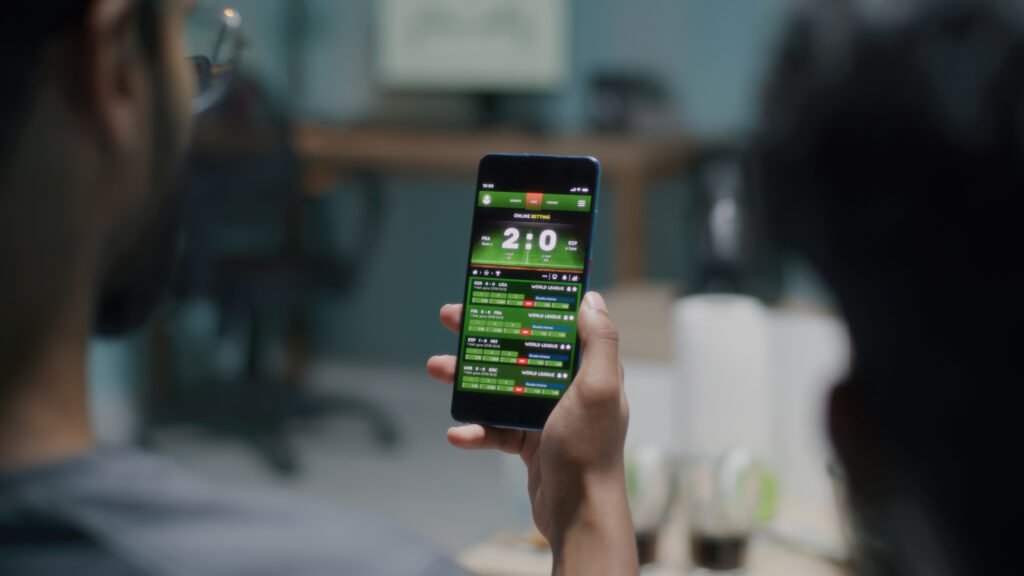
The World Cup is one of the biggest sporting events in the world. For many football fans, it’s a chance to enjoy the matches, support their country, and spend time with friends and family.
However, major sporting tournaments can also lead to an increase in gambling activity. With constant advertising, special promotions, and conversations about odds and predictions, it can be easy for betting to become part of the tournament experience.
For some people, what starts as a small wager can quickly grow into something more serious. Gambling debt can affect finances, relationships, mental health, and overall wellbeing long after the final whistle has blown.
Understanding the risks and recognising the warning signs can help you enjoy the World Cup without putting yourself under financial pressure.
Why Can the World Cup Increase the Risk of Gambling Debt?
Large sporting events often create an environment where gambling feels more visible and accessible than usual.
Factors that can increase the temptation to gamble include:
- Increased advertising from betting companies
- Special promotions and free bet offers
- More matches taking place over a short period
- Social pressure from friends or colleagues
- The belief that football knowledge improves betting success
- The desire to make matches feel more exciting
Unfortunately, gambling outcomes are never guaranteed. What may seem like a harmless bet can sometimes lead people to spend more money than they originally intended.
For those already experiencing financial difficulties, gambling can make existing debt problems significantly worse.
The Warning Signs of Gambling Debt
Gambling debt doesn’t usually happen overnight. In many cases, it develops gradually.
Common warning signs may include:
- Spending more money on gambling than planned
- Borrowing money to place bets
- Using credit cards or overdrafts to gamble
- Struggling to pay household bills because of gambling losses
- Hiding gambling activity from family or friends
- Feeling stressed or anxious about money after betting
- Chasing losses in an attempt to win money back
One of the biggest risks is chasing losses. This happens when someone continues gambling in the hope of recovering money they have already lost, often leading to even greater financial difficulties.
Focus on Enjoying the Football, Not the Gambling
The World Cup should be about enjoying the sport rather than feeling pressure to bet on every match.
There are plenty of ways to get involved without gambling.
You could:
- Watch matches with friends and family
- Join a sweepstake that doesn’t involve large sums of money
- Take part in prediction games without financial stakes
- Follow team statistics and tournament stories
- Organise football-themed gatherings at home
By shifting the focus away from betting, you can still enjoy the excitement of the tournament without putting your finances at risk.
Avoid Using Borrowed Money
One of the clearest signs that gambling is becoming problematic is when borrowed money is used to fund betting activity.
This may include:
- Credit cards
- Personal loans
- Overdrafts
- Buy Now, Pay Later services
- Borrowing from friends or family
Gambling with money you cannot afford to lose can quickly lead to a cycle of debt that becomes difficult to escape.
If you’re already relying on credit to cover everyday living costs, gambling is likely to increase financial pressure rather than solve it.
Be Cautious of Promotions and Offers
During major sporting events, betting companies often increase their marketing activity.
You may see:
- Free bet offers
- Enhanced odds
- Cashback promotions
- Sign-up bonuses
While these offers can appear attractive, they are ultimately designed to encourage participation.
It’s important to remember that promotions do not remove the risk of losing money.
Taking a step back and questioning whether an offer genuinely benefits you can help avoid impulsive decisions.
How Can Gambling Affect Someone’s Well-being?
The impact of gambling extends far beyond financial losses.
For some people, gambling-related harm can affect several areas of life, including mental, emotional, and physical wellbeing.
Potential effects may include:
- Anxiety and stress
- Depression
- Difficulty sleeping
- Loss of confidence
- Relationship problems
- Isolation from family and friends
- Reduced work performance
- Feelings of guilt or shame
Financial worries can place significant pressure on everyday life, particularly when debts begin to grow.
Recognising that gambling problems can affect wellbeing is an important step towards seeking support.
What Should You Do If Gambling Has Led to Debt?
If gambling has contributed to financial difficulties, it’s important to address the situation as early as possible.
A good starting point is to:
- Work out exactly how much you owe
- Stop further gambling activity
- Review your income and expenditure
- Prioritise essential household bills
- Seek support if you are struggling
Many people delay seeking help because they feel embarrassed or ashamed. In reality, gambling-related debt is more common than many realise, and support is available.
The sooner you take action, the more options you are likely to have.
What Support Is Available If You’re Struggling?
If gambling is affecting your finances or wellbeing, there are organisations that can provide free advice and support.
- GamCare – offers advice, information, and support for anyone affected by gambling: https://www.gamcare.org.uk
- GambleAware – provides education, prevention, and treatment services: https://www.begambleaware.org
- Gamban – software that blocks access to gambling websites and apps across devices: https://gamban.com
- Mind – provides support and information relating to mental health and emotional wellbeing: https://www.mind.org.uk
Reaching out for help can be a positive first step towards regaining control.
Dealing with Gambling Debt
If gambling has left you with unaffordable debts, there may be solutions available depending on your circumstances.
These may include:
- Informal repayment arrangements
- Debt Management Plans (DMPs)
- Individual Voluntary Arrangements (IVAs)
- Other debt solutions where appropriate
The right option will depend on factors such as your income, assets, and overall level of debt.
Professional debt advice can help you understand which solutions may be suitable for your situation.
What Should I Do Now?
If gambling debt has become difficult to manage, speaking to an expert can help you understand your options and take the next step towards improving your financial situation.
At My Debt Plan, we help people find practical solutions to debt problems and regain control of their finances.
Get debt help online or speak to our team for a confidential conversation on 0161 464 0870.