


Call free today
Gas bill arrears can quickly become a serious concern, especially during colder months when heating is essential. Unlike optional spending, gas is a core household necessity, used for heating, hot water, and often cooking. When gas arrears build up, the pressure can feel immediate and overwhelming.
If you’re behind on payments or worried about gas debt increasing, it’s important to know that suppliers must follow strict rules and offer support where possible. Taking action early can prevent enforcement steps and give you more control over the situation. This guide explains what happens if you miss a gas payment, what help may be available, and how to deal with gas arrears safely.
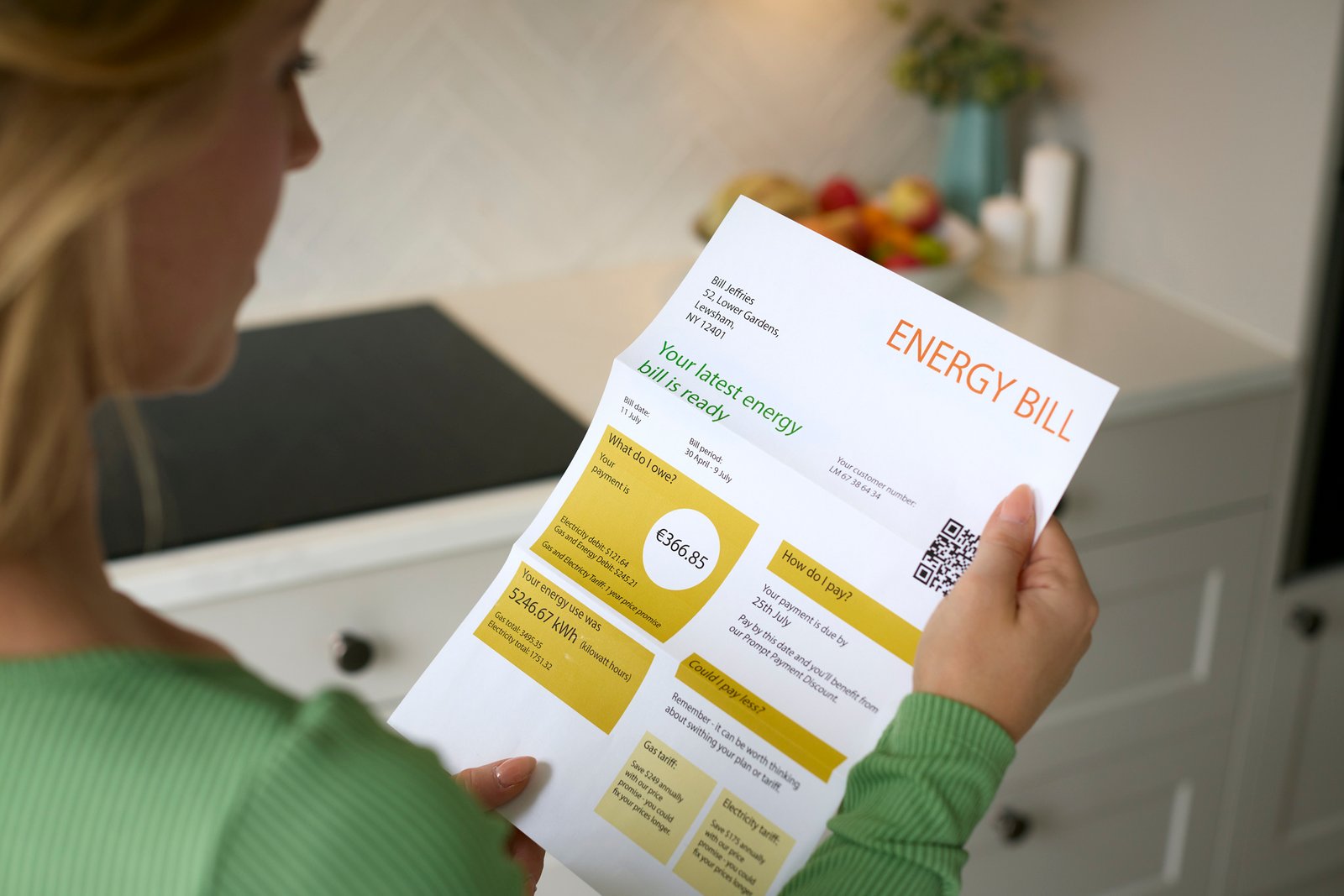
If you miss a gas payment, your supplier will not disconnect you straight away. Instead, there is a structured process.
Initially, your supplier will usually:
If the debt continues unpaid, the supplier may:
A warrant allows entry to fit a prepayment meter if access has been refused. However, this is not immediate and follows multiple attempts to resolve the issue.
Gas disconnection is rare and highly regulated, particularly where vulnerability is involved.
Gas arrears are considered a priority debt because they relate directly to heating and basic living standards. Unlike unsecured debts such as credit cards, utility suppliers have certain enforcement powers.
Gas suppliers can:
Because gas is linked to heating, problems tend to escalate faster in winter when usage rises. Arrears often increase significantly between October and March.
This is why early communication is crucial. Suppliers are expected to consider affordability and vulnerability before taking enforcement action.
Gas arrears are often seasonal. Many households manage fine during warmer months but struggle once heating is required.
Common causes include:
Standing charges also continue daily, even if you use very little gas. This means debt can build even when consumption is reduced.
For homeowners and tenants alike, heating costs can fluctuate unpredictably making budgeting difficult.
If you cannot afford your gas bill, act quickly rather than waiting for letters to escalate.
You should:
You may qualify for:
If you are on benefits or have health issues requiring heating, you may have additional protections.
If gas arrears are part of wider financial stress, seeking structured debt advice can help you stabilise your overall situation.
Gas suppliers usually prefer structured repayment rather than enforcement.
Repayment methods may include:
Before agreeing, make sure:
If arrears are high and part of multiple debts, consolidating repayment through a broader debt solution may be more sustainable than juggling individual arrangements.
Yes, this is one of the most common outcomes when gas debt persists.
A prepayment meter:
However, it can be more expensive per unit than standard tariffs and may create budgeting challenges if income is irregular.
Suppliers must assess vulnerability before forcing installation, particularly where health issues exist.
Gas costs are closely linked to heating efficiency.
Ways to reduce gas usage include:
You can also:
Gas savings often come from improving efficiency rather than cutting essential heating entirely.
Gas arrears rarely exist alone. Many households dealing with gas debt are also facing:
When multiple priority debts are involved, it’s important to assess:
In some cases, a Debt Management Plan or IVA can help structure repayment more safely and prevent further escalation.
Disconnection is possible but rare.
Suppliers must:
They are generally prohibited from disconnecting in winter in certain vulnerable households.
Prepayment meters are far more common than disconnection.
If you receive notice of enforcement, seek advice immediately to explore your options.
Once gas debt is under control, preventing recurrence is key.
You can:
Gas arrears are often seasonal, planning ahead for winter can reduce the risk of repeat debt.
If you’re behind on your gas bill or worried about gas arrears increasing, don’t ignore the problem. Early action gives you more control and more options.
My Debt Plan offers clear, impartial advice to help you understand your situation and protect essential services.
You can get debt help online or speak to our friendly team for a confidential, no-obligation conversation. Call us today on 0161 464 0870 and start taking back control of your finances.
Tell us about your current debts and one of our experienced and friendly advisors can help you get the ball rolling.
Dependant on your circumstances and financial situation, we'll let you know if an IVA is a potential solution for you.
If you qualify for an IVA, we will take the necessary steps to set up and arrange this for you.

An Individual Voluntary Arrangement (IVA) is a formal agreement with creditors to repay a portion of your debts over time, but it does have an impact on your credit score and it will be difficult to obtain further credit whilst on an IVA. Once an IVA is approved, it is recorded on your credit report and will typically remain there for six years from the date it starts.
However, it’s important to note this is the case for most debt solutions and your credit score will likely already have been affected by being in debt in the first place.
Once your IVA is complete you will get a fresh start to begin rebuilding your credit rating.
IVA costs are charged for the preparation of your proposal and the administration of the arrangement for the full term (usually 5 years) these costs are charged from the monthly contributions you make into the IVA and are not in addition. Costs will only be recovered on approval of your arrangement and once you commence making payments to it. The fees for preparation of the proposal to creditors and calling the meeting for creditors to vote on its approval are called nominees fees, the fees for running the arrangement once approved are called supervisors fees. There are also some expenses incurred in the running of the arrangement such as the registration fee and the statutory insurance that needs to be taken by law, these are called disbursements. For our arrangements, the total of all of these is £3,650 although this may be adjusted by creditors when they vote on whether to accept. No matter what the end total of costs come to, you can be rest assured that these will be taken from the monthly payment we agree with you.