If you’re struggling with debt and feeling overwhelmed by repayments, you may be wondering whether it’s possible to write off what you owe. For many people, debt can quickly become unmanageable due to rising living costs, unexpected life events, or changes in income. The good news is that there are legitimate ways to write off debt, depending on your personal circumstances.
Understanding your options can help you take control of your finances and move towards a more stable future.
What Does It Mean to Write Off Debt?
Writing off debt means that you are no longer legally required to repay some or all of what you owe. This usually happens through a formal process rather than simply stopping payments.
Debt can be written off in several ways, including:
- Through a formal debt solution such as an IVA or bankruptcy
- When a debt becomes legally unenforceable
- As part of a negotiated settlement with creditors
Each option has different eligibility rules, benefits, and long-term effects, so it’s important to understand which route may be right for you.

1. Writing Off Debt Through an IVA
An Individual Voluntary Arrangement (IVA) is one of the most common and structured ways to write off debt in the UK. It’s a legally binding agreement between you and your creditors, managed by an insolvency practitioner.
With an IVA:
- You make affordable monthly payments, usually for five or six years
- Interest and charges on your debts are frozen
- Creditors cannot take further enforcement action
- Any remaining unsecured debt is written off at the end of the arrangement
An IVA is often suitable if you have a steady income and can afford regular payments but need help reducing the total amount you owe. It also allows you to keep certain assets, such as your home, in many cases.
2. Writing Off Debt Through a Debt Relief Order (DRO)
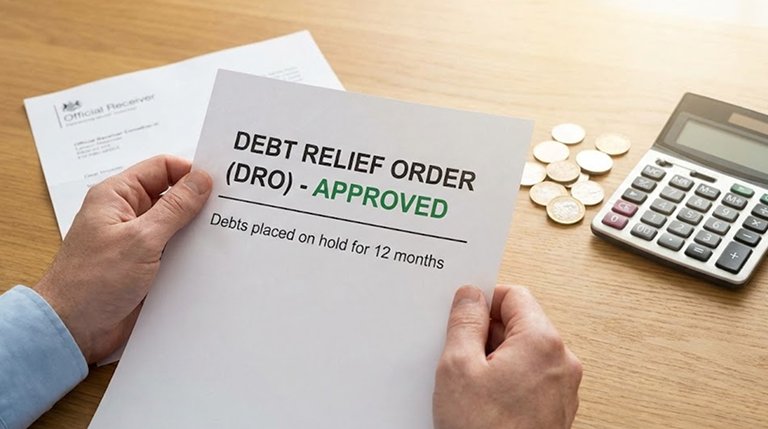
A Debt Relief Order is designed for people with very low income, minimal assets, and relatively low levels of debt.
If you qualify, a DRO can:
- Freeze your debts for 12 months
- Stop creditors from contacting you
- Write off the included debts at the end of the period
You won’t make payments during a DRO, but strict eligibility criteria apply. It’s typically suitable for people who have little disposable income and no realistic way of repaying their debts.
3. Writing Off Debt Through Bankruptcy
Bankruptcy is another option for dealing with unmanageable debt, particularly when other solutions aren’t suitable.
When you’re declared bankrupt:
- Most of your unsecured debts are written off
- You may need to make payments for up to three years if you have spare income
- Certain assets may be sold to repay creditors
Although bankruptcy can offer a fresh start, it can also have serious implications for your finances, credit rating, and in some cases employment. It’s usually considered a last resort.
4. Writing Off Debt Through Full and Final Settlements
In some situations, creditors may agree to accept a lump-sum payment that is less than the total amount owed. This is known as a full and final settlement.
This option may be possible if:
- You have access to a lump sum (for example, from savings or family help)
- The creditor believes it’s unlikely they’ll recover the full balance
- You can negotiate effectively or have help doing so
Once agreed in writing, the remaining balance is written off.
5. When Debts Become Unenforceable
In some cases, a debt may become legally unenforceable if the creditor has not taken action within a certain time period (usually six years in England). This is often referred to as a statute barred debt.
While the debt still exists, the creditor can no longer use the courts to enforce payment. However, this depends on specific conditions being met and should be assessed carefully.
How Writing Off Debt Affects Your Credit File
Most debt write-off options will impact your credit file. Entries such as IVAs, DROs, and bankruptcies typically remain on your credit report for six years.
During this time, obtaining credit can be more difficult, but it’s still possible to rebuild your credit gradually by:
- Paying ongoing bills on time
- Avoiding missed payments
- Using small amounts of credit responsibly
- Keeping your financial information up to date
Once negative markers are removed, many people find their credit improves steadily.
Getting the Right Advice
Writing off debt can provide significant relief, but it’s important to choose the right option for your circumstances. Each solution has different eligibility rules, benefits, and long-term effects.
Speaking with a experienced debt adviser can help you:
- Understand which debts can be written off
- Compare available options
- Avoid unnecessary financial risks
If you’re feeling overwhelmed by debt, you’re not alone, and there are options available to help you move forward. Writing off debt isn’t about avoiding responsibility; it’s about finding a realistic way to regain financial stability.
Whether through an IVA, a DRO, or another formal solution, the right approach can help you reset your finances and work toward a more secure future.
If you’re unsure where to start, My Debt Plan can help you explore your options and find a solution that works for you.